
DVSA
DVSA Maintenance Investigation Readiness
13 Jun 2026 | News Desk
A DVSA maintenance investigation will focus on whether your maintenance system works in practice, not whether you have a folder full of paperwork. Operators…
A DVSA maintenance investigation will focus on whether your maintenance system works in practice, not whether you have a folder full of paperwork. Operators…

Why dvsa earned recognition is easier to say than to evidence properly with the emphasis on operational reality, documentary proof and how the issue…

What a strong operator file should prove about dvsa desk based audit support turned into a high-readability transport article focused on management judgement, record…

Why what to do in the first 30 days after a dvsa stop to recover ocrs deserves a harder read before the next review…

How serious operators should test ocrs score before the pressure arrives, rewritten for operators who need something clearer, more useful and less templated than…
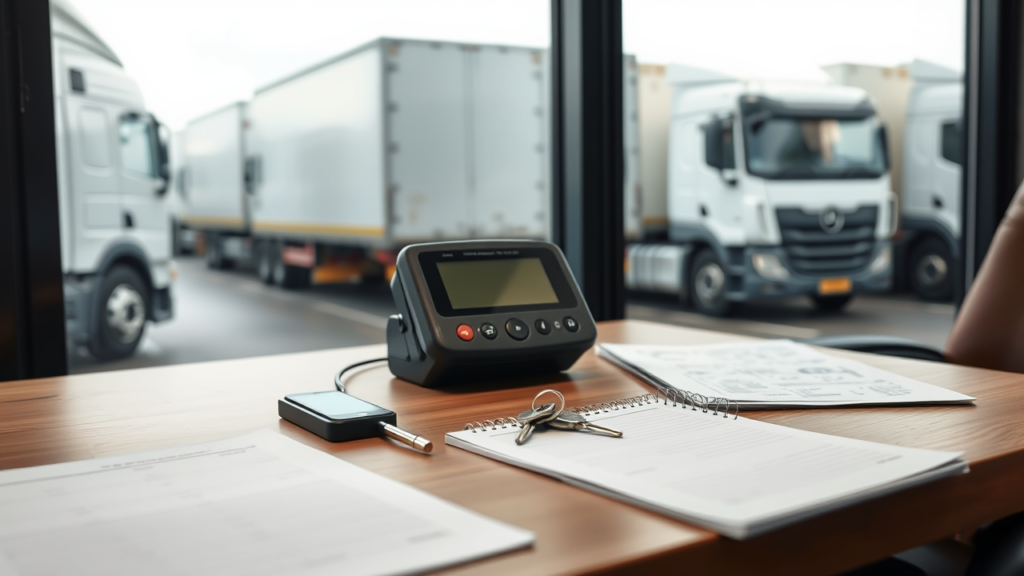
Why ocrs improvement checklist deserves a harder read before the next review cycle, rewritten for operators who need something clearer, more useful and less…

Why dvsa and operator licence compliance still catches operators with otherwise tidy records explained with a practical eye, a stronger compliance narrative and evidence…

Why compliance evidence needs dates, names and actions before the next inspection, written with DVSA scrutiny in mind with the focus on records, ownership…
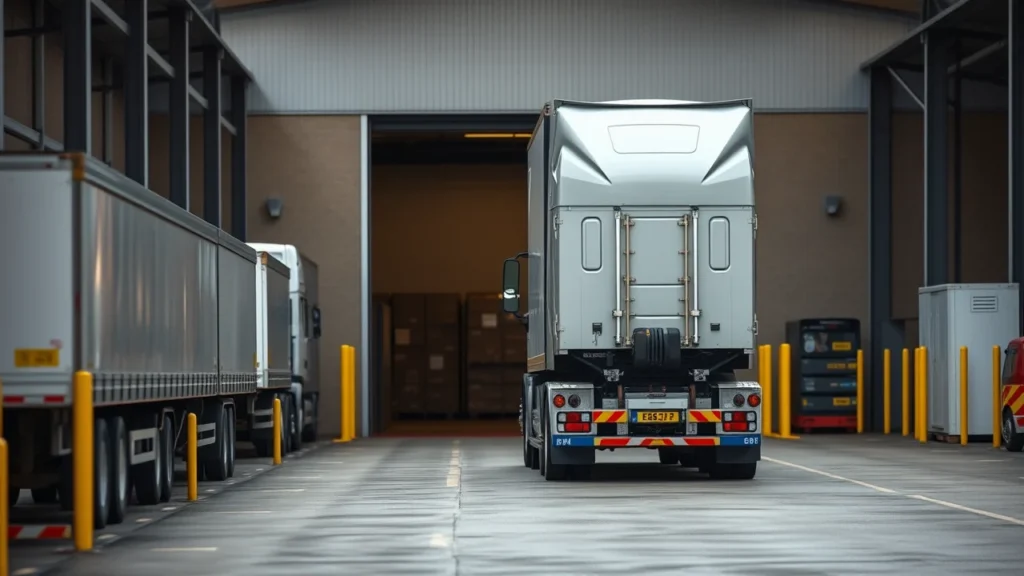
What HGV operators should check before expansion before the next inspection, written with DVSA scrutiny in mind with the focus on records, ownership and…

Why tachograph governance still needs human oversight before the next inspection, written with DVSA scrutiny in mind with the focus on records, ownership and…