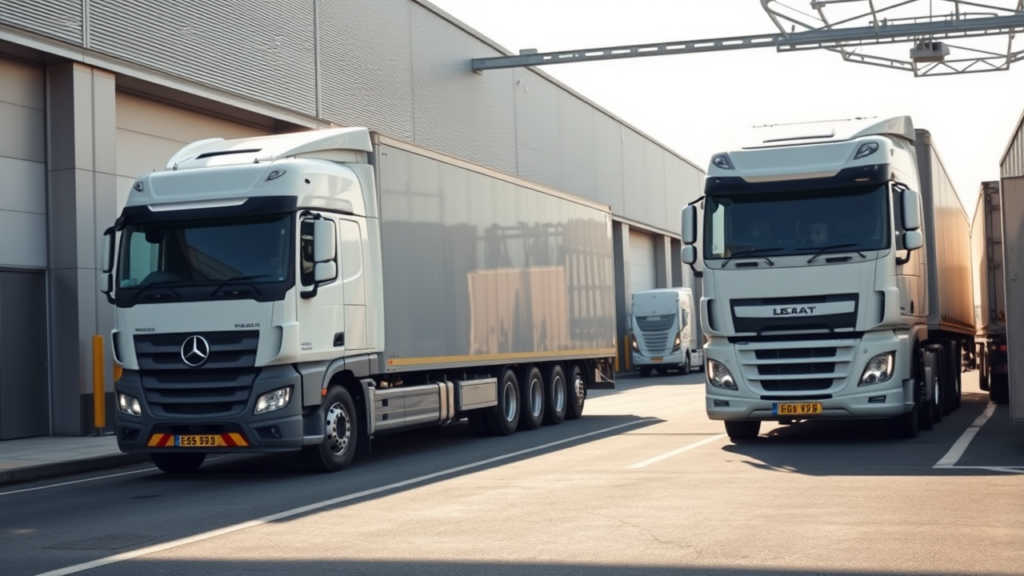
Depot improvements: drainage, waste and building work

Taking over a depot or extending a workshop can uncover jobs that have little to do with the vehicles themselves. There may be drains to investigate, material to remove from an existing pit or alterations needed to keep the building useful. Before planning the work, the operator needs to know what is already on site, what needs changing and how the project will affect day-to-day operations.
What is already on site?
A useful property file brings together the layout, known drainage runs and previous maintenance records. A recurring blocked drain and sediment in a settlement tank are different jobs, even when both appear on the same maintenance list.
Drain CCTV covers camera surveys and drainage investigation. Sludge Removal deals with material accumulated in tanks, pits and lagoons. Separating the investigation from the removal work makes it easier to describe what the site needs without assuming that one service will resolve every problem.
Waste from a workshop or industrial unit also needs to be described by what it is and where it came from. Industrial Waste Management covers industrial waste services. GOV.UK’s business waste guidance includes construction and industrial waste within the scope of commercial waste.
Building work has its own brief
A workshop extension has different operational constraints from an empty new building. Existing vehicle movements, access to service bays and the area available for deliveries all affect the discussion. Commercial Builder focuses on commercial building projects, where the proposed work needs to be understood alongside the business using the premises.
Some transport business owners also have residential property projects. Housing Construction concerns housing projects, while Custom House Builders focuses on individual homes. Those projects need their own briefs rather than being treated as extensions of depot maintenance or commercial building work.
Joining up the programme
The order of work matters at a functioning depot. A drainage inspection may need to take place before an alteration is designed. A tank or pit may be easier to access before building materials occupy part of the yard. Recording those requirements early helps the operator discuss the work without overlooking vehicle movements, loading space or access to the workshop.
HSE’s commercial client guidance explains the client’s role in organising construction work in Great Britain. Depot operators planning building work can use it to understand the construction client’s role, which is distinct from their responsibilities for the transport operation.
Simon Drever
Simon Drever is Editor in Chief of The Golden Mount, with 20 years of transport and logistics support, operational management and compliance experience. His editorial focus is practical transport reporting that explains what operators need to understand, evidence and fix when standards are tested properly.